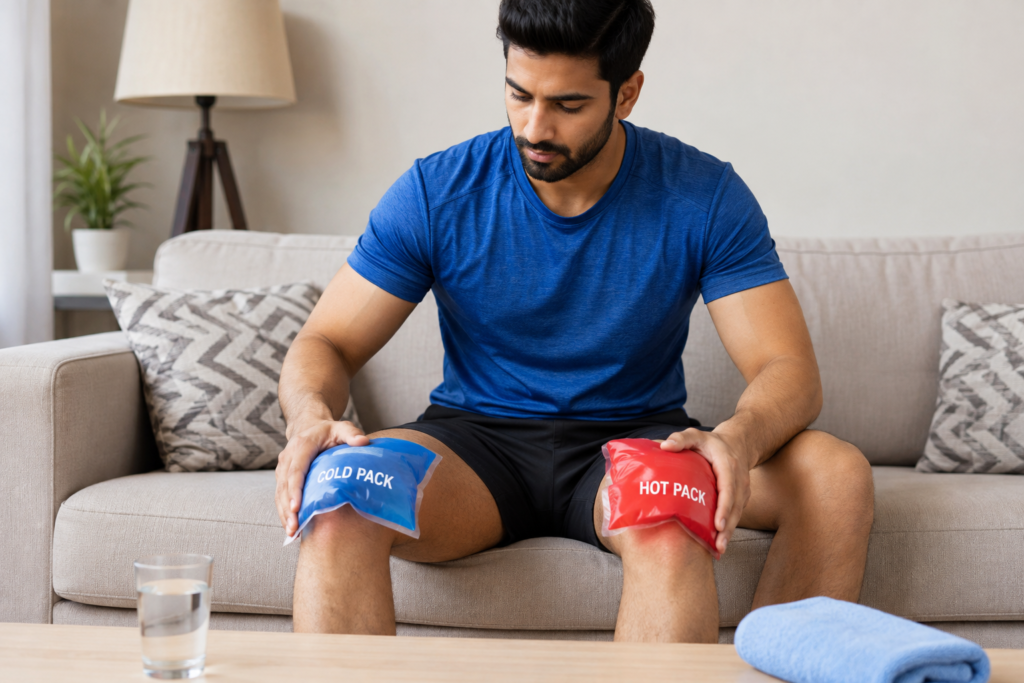
If you’ve ever dealt with a slip disc, you know how quickly it can upend your routine. Tying your shoes becomes a project. Getting off the couch feels like a workout. And nobody warns you just how much thinking goes into movements you used to do without a second thought. The good news? Slip disc recovery doesn’t mean being completely sidelined. In fact, how you move through your day—the small, almost invisible habits—plays a huge role in how fast you heal. Most physios will tell you that physiotherapy after slip disc diagnosis is as much about changing daily behavior as it is about formal treatment.
What Can You Actually Do During Slip Disc Recovery?
Here’s something that surprises a lot of people: you need to keep moving. Not aggressively. Not painfully. But moving, yes.
The old advice was complete bed rest. Thankfully, that thinking has shifted. We now know that gentle movement keeps blood circulating to the damaged disc, stops the muscles around it from getting tight and weak, and generally supports a faster recovery. Lying still for days on end usually makes things worse, not better.
Activities that tend to hold up well during herniated disc care include:
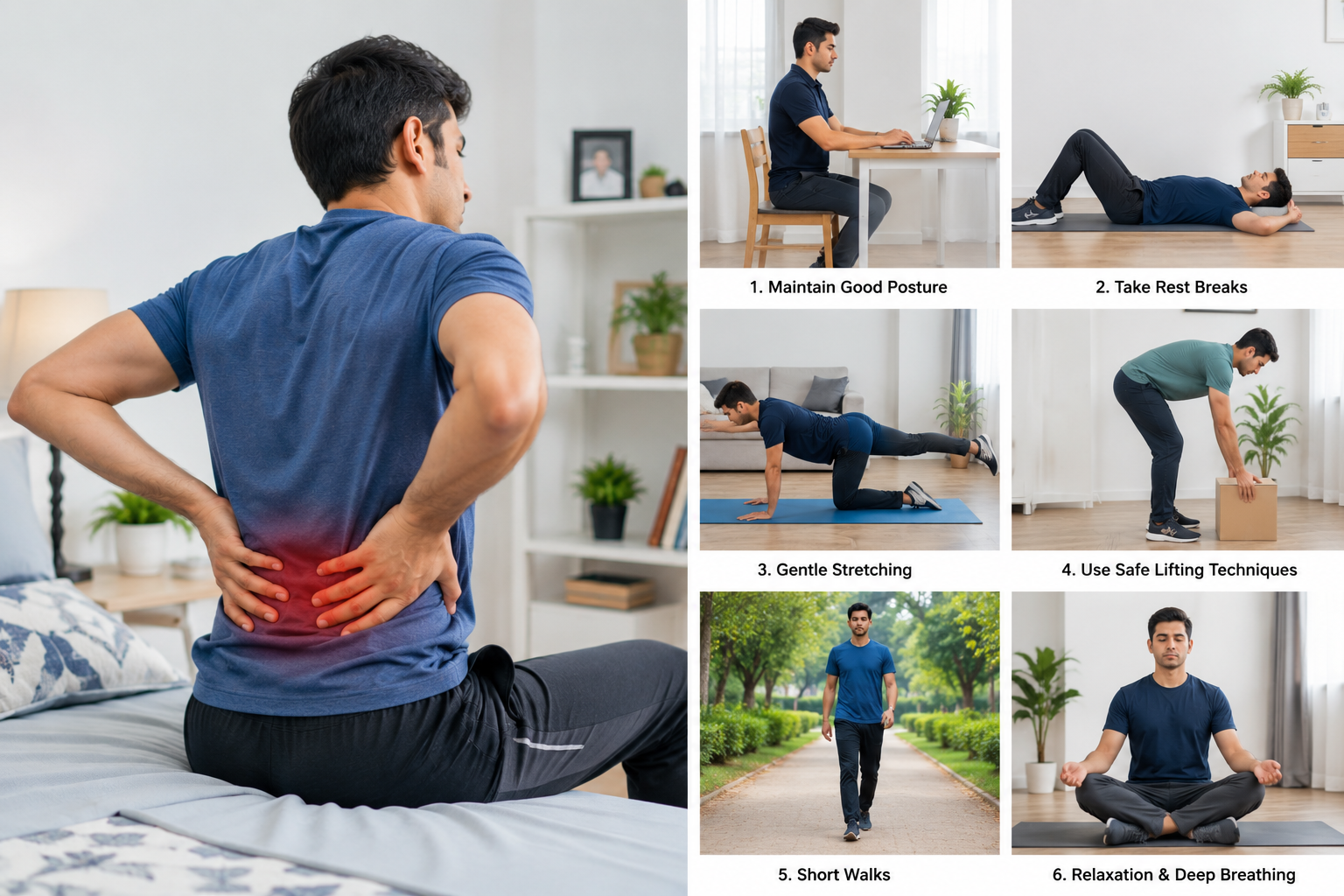
- Short, slow walks on flat ground—even just 10 to 15 minutes at a time
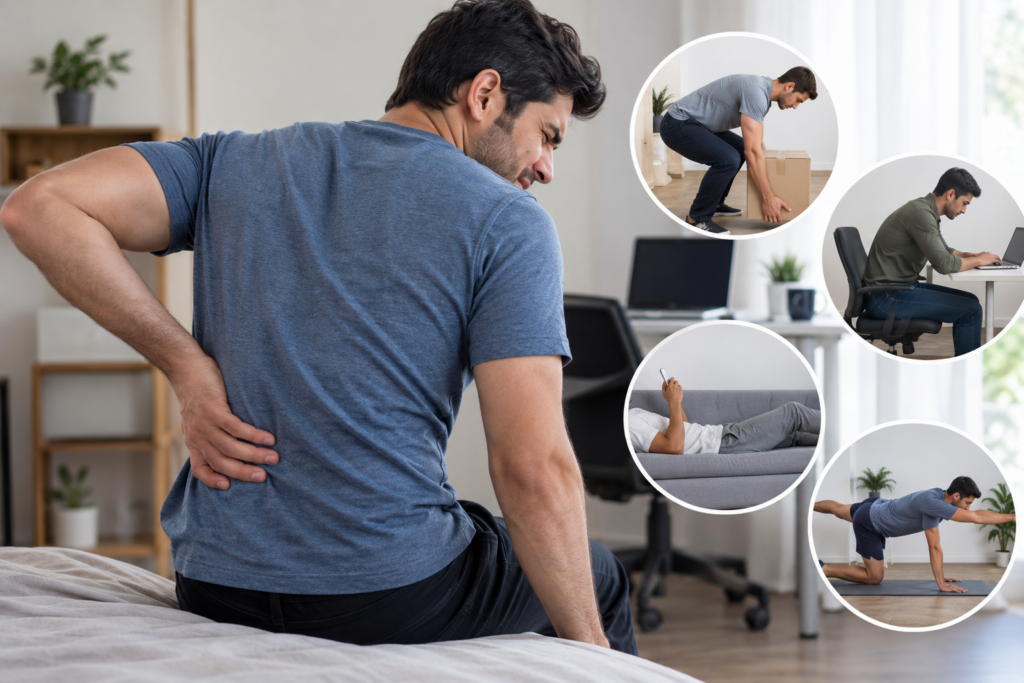
- Gentle stretching, like slow knee-to-chest pulls or a careful cat-cow stretch
- Swimming or water walking, which takes most of the load off your spine
- Sitting with proper lumbar support—a rolled towel behind your lower back can make a real difference
One thing to pay attention to: if you’re feeling pain shoot or radiate down your leg, that’s a sign the disc may be pressing on the sciatic nerve. Ease off and check in with your physiotherapist before continuing.
Movements to Avoid After a Slip Disc
Some of the most damaging things you can do during slip disc recovery are habits so ingrained you don’t even notice them. That’s what makes them tricky.
Watch out for:
- Bending forward from the waist to pick things up—train yourself to squat down instead
- Twisting quickly, like spinning around to catch something you almost dropped
- Sitting too long, especially on soft furniture that doesn’t support your back
- Lifting heavy things, even objects that don’t feel particularly heavy
- Running, jumping, or anything high-impact until a physio says you’re ready
The general rule: if something causes a sharp or shooting pain, stop doing it. Don’t try to push through.
Small Changes That Actually Add Up
Good herniated disc care isn’t only about what you avoid—it’s also about learning to do everyday tasks a little differently. These adjustments might sound minor, but when you’re making the same movements dozens of times a day, they matter.
Around the house:
- Move things you reach for often to around waist height so you’re not constantly bending
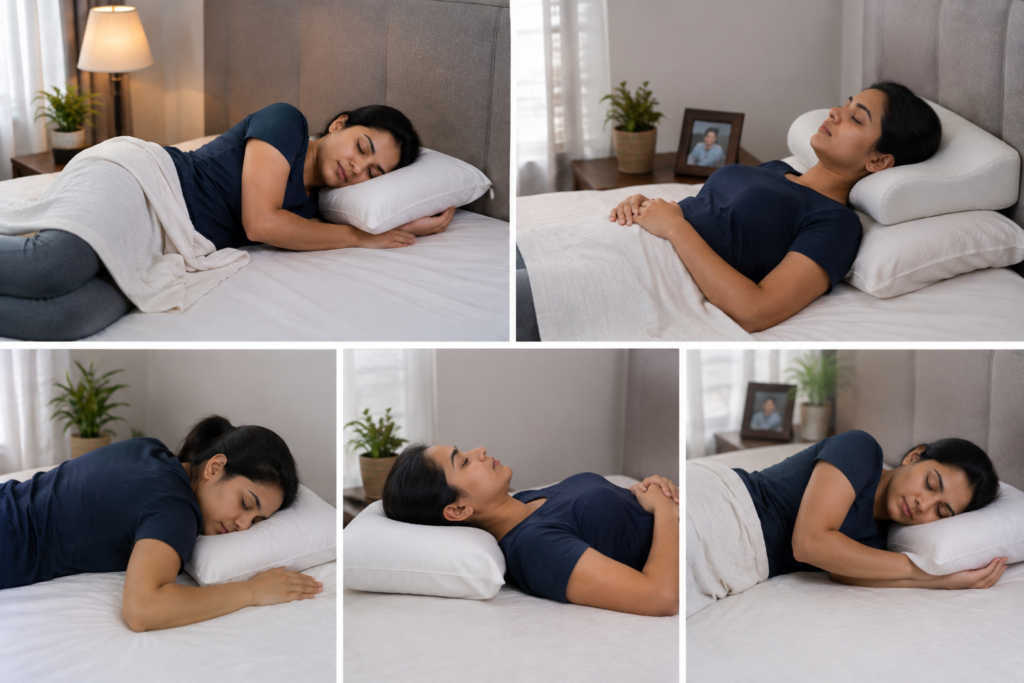
- Sleep on your side with a pillow between your knees to keep your spine in a neutral position
- When getting out of bed, roll onto your side first, then push yourself up with your arms rather than sitting straight up
At work:
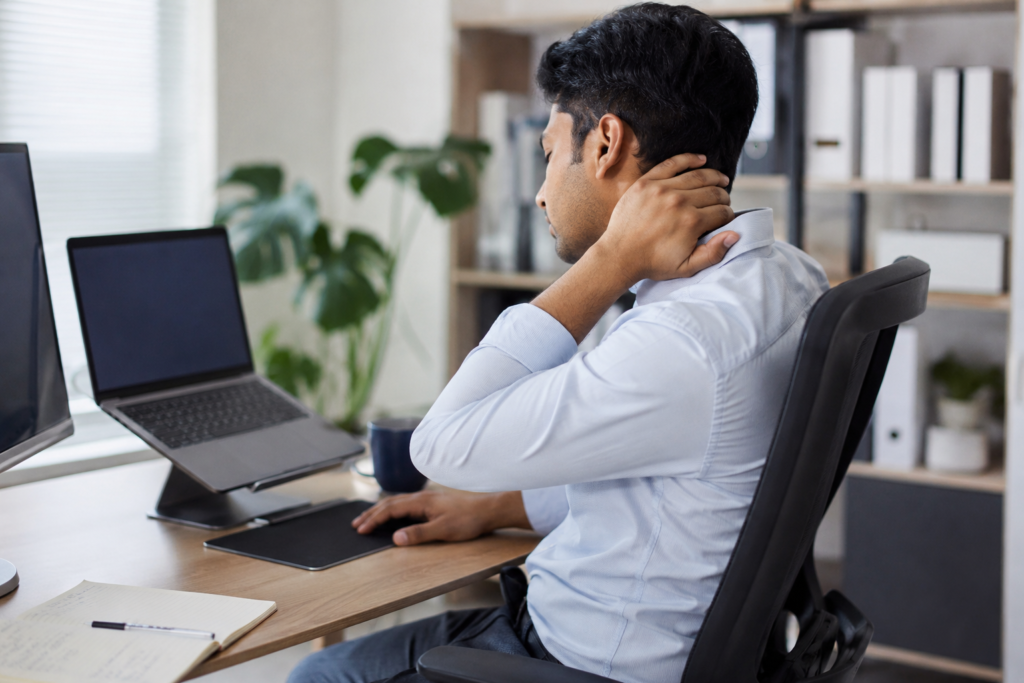
- Use a chair that actually supports the natural curve of your lower back
- Set a timer and stand up to move around every 30 to 45 minutes—your back isn’t built for marathon sitting sessions
- Position your screen at eye level so you’re not rounding your shoulders and hunching forward
None of this is complicated. But repeated bad mechanics, even tiny ones, quietly extend your recovery timeline without you realizing it.
Why Physiotherapy Matters More Than Most People Think
If you’re serious about recovering well, proper physiotherapy after slip disc treatment is one of the best investments you can make. A skilled physiotherapist isn’t just handing you a printout of exercises—they’re watching how you actually move, figuring out what’s specifically aggravating your injury, and adjusting your program as you improve.
There’s solid research behind this. Structured physiotherapy after slip disc injury consistently outperforms rest alone. It also helps protect against re-injury, which is surprisingly common. Once the pain starts to ease, people tend to feel better than they are—and they jump back into old habits too fast. That’s often how people end up back at square one.
Finding the Right Support
Managing a slip disc on your own has its limits. If the pain keeps returning or it’s genuinely getting in the way of daily life, a proper assessment is worth pursuing. Cyson offers physiotherapy and pain management programs tailored specifically to herniated disc care—giving you a clear, structured recovery path instead of leaving you guessing at what to try next.